


In the world of fine jewelry, the terminology can sometimes feel overwhelming. As you curate your personal collection or search for the perfect gift, you will frequently encounter the words "pendant" and "charm" used almost interchangeably. However, in the realm of high-end jewelry styling, these two pieces play beautifully different roles.
Understanding the distinction between a pendant and a charm is the secret to mastering the art of the layered necklace. Today’s luxury aesthetic is defined by "effortless texture"—mixing sizes, weights, and meanings to create a neckline that feels completely bespoke. At Helen Ficalora, we specialize in both. Here is your ultimate guide to understanding and styling solid 14k gold pendants and charms.
What is the Difference Between a Pendant and a Charm?
While both are decorative pieces of jewelry designed to hang from a chain or bracelet, the distinction primarily comes down to size, scale, and how they are traditionally worn.
The Pendant: The Statement Piece
A pendant is generally larger, heavier, and more ornate. It is designed to be the focal point of a necklace. Because of its visual weight, a pendant is almost always worn on a necklace chain rather than a bracelet. It commands attention and is often worn entirely on its own as a standalone statement piece.
Examples of classic pendants include large, beautifully stamped gold coins, oversized initial discs, or intricate pieces featuring precious gemstones like diamonds or sapphires. A pendant is the anchor of your jewelry wardrobe. Explore our luxurious pendant jewelry collection to find your signature focal piece.
The Charm: The Layering Essential
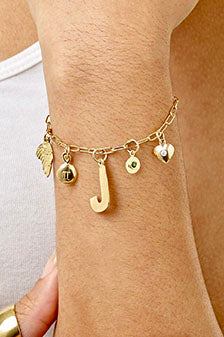
A charm is a smaller, more delicate adornment. While a pendant demands the spotlight, charms are highly collaborative. They are designed to be clustered together, mixed, matched, and added to both delicate necklace chains and link bracelets. Charms are the storytellers of your jewelry collection.
Because of their petite scale, you can easily wear three or four mini charms on a single chain without the necklace feeling heavy or cluttered. Helen Ficalora’s iconic mini initials, tiny solid gold hearts, and delicate motifs (like a tiny palm leaf or paw print) are perfect examples of charms. Browse our collection of solid gold charms to start building your personalized story.
How to Style Pendants and Charms Together
The magic happens when you combine the two. Layering fine jewelry is an art form, and combining the scale of a larger pendant with the delicate nature of mini charms creates a rich, textured, "quiet luxury" aesthetic.
1. The "V-Shape" Cascade
The most foolproof way to layer is by creating a cascading "V" shape on your décolletage. Start with a shorter, 16-inch fine chain that sits right at the collarbone. On this chain, cluster two or three of your favorite mini charms—perhaps your initials or a tiny birthstone. Then, add an 18-inch or 20-inch chain underneath it. This longer chain should hold your larger, heavier pendant. The graduating lengths prevent the chains from tangling and allow each solid gold piece to shine individually.
2. The Minimalist Solo
If you prefer a hyper-minimalist, Revolve-inspired aesthetic, the solo approach is breathtaking. Choose a single, striking 14k gold pendant—such as an 11:11 coin or a beautiful Star of David—and wear it on a sleek, high-quality chain. The simplicity of a single, gleaming solid gold pendant resting against the skin is the definition of modern elegance.
3. The Mixed-Weight Chains
To really elevate your styling, don't just mix pendants and charms; mix the chains that hold them. Hang your delicate mini charms on an ultra-fine, whisper-thin gold chain. Then, hang your larger pendant on a thicker, chunkier chain (like a medium oval or cable link). The contrast in chain textures adds incredible depth to your everyday jewelry uniform.
Why Solid 14k Gold is Essential for Layering
When you are layering necklaces, friction is inevitable. The chains will rub against each other, and the pendants will clink against the charms. If you attempt the layered look with cheap, gold-plated jewelry, that friction will rapidly strip the plating away, leaving you with tarnished, discolored pieces that look inexpensive and can irritate your skin.
To achieve a truly luxurious, long-lasting layered look, solid 14k gold is non-negotiable. Helen Ficalora’s pendants, charms, and chains are crafted exclusively from authentic, solid 14k Yellow, Pink, and White gold. Solid gold is impervious to friction, water, and sweat. It will never rust, fade, or tarnish. When you layer solid gold, the pieces actually polish each other as they move, ensuring your neckline remains brilliant, flawless, and undeniably premium year after year.
Frequently Asked Questions About Pendants and Charms
What is the difference between a charm and a pendant?
The main difference between a charm and a pendant is size and usage. Pendants are larger, heavier statement pieces designed to be worn on a necklace as a focal point. Charms are smaller, delicate pieces designed to be clustered together on either a necklace chain or a charm bracelet.
Can I put a pendant on a charm bracelet?
While technically possible, it is not recommended to put a large pendant on a charm bracelet. Pendants are typically too heavy and large for a wrist, which can make the bracelet uncomfortable and prone to catching on things. Smaller mini charms are the best choice for bracelets.
What kind of chain is best for a heavy gold pendant?
A heavy solid gold pendant requires a sturdy, durable chain to support its weight and prevent breakage. Thicker styles like a solid 14k gold cable chain, oval link chain, or a medium-fine chain are the best and most secure choices for wearing large pendant jewelry.
Is it okay to wear a pendant necklace every day?
Yes, it is perfectly okay to wear a pendant necklace every day, provided it is made of high-quality materials. A pendant crafted from solid 14k gold is highly durable, water-safe, and will not tarnish, making it the perfect everyday luxury piece for your wardrobe.
How do you keep layered necklaces from tangling?
To keep layered necklaces from tangling, always mix chains of different lengths (e.g., a 16-inch chain and an 18-inch chain) and different weights. Putting a heavier pendant on the longer chain and smaller charms on the shorter chain helps weigh them down and separates them beautifully.